Traditional drug development can take 10 to 15 years and cost over $2 billion. The process is slow, expensive, and often ends in failure.
On top of that, recruiting patients is hard, and most treatments follow a one-size-fits-all model that doesn’t work for everyone. But things are starting to shift.
Data science is changing how clinical research gets done, from designing trials to predicting outcomes. It’s making research faster, more personalized, and more cost-effective.
In this article, we’ll explore how data science is reshaping clinical research, the challenges that come with it, and what the future may look like.
Data science isn’t just speeding things up…it’s changing the foundation clinical research stands on. Here’s a closer look at where the biggest changes are happening.

Drug discovery used to be a slow, hit-or-miss process inside wet labs. Now, it’s a data-driven operation.
Old-school trials often failed not because the drug didn’t work, but because the trial was poorly designed.
One of the biggest problems in clinical research? Getting enough of the right people into the trial.
The old playbook focused on one drug for as many people as possible. It was cheaper but less effective.
Drug development is expensive, and most drugs fail. Data science is helping to stack the odds.
As powerful as data science can be, merging it with clinical research brings its own set of hurdles. These challenges need to be addressed if we want the full benefits of this shift.

One of the biggest roadblocks is the way data is stored. Valuable health data often sits in isolated systems that don’t talk to each other. These “data silos” make it hard to create a full picture of a patient or trial.
On top of that, inconsistent data quality and lack of standard formats can lead to unreliable results.
And when patient data is involved, privacy isn’t optional. Laws like HIPAA exist to protect health information, so researchers need to find a careful balance between access and security.
Even the smartest AI models can raise concerns. Sometimes, they make accurate predictions, but no one can explain how or why.
That’s the “black box” problem. In clinical research, where every decision can affect lives, models must be explainable.
Another issue is the growing demand for people who understand both machine learning and medicine. There simply aren’t enough professionals with both skill sets, making this a valuable space for those willing to learn both sides.
Regulators are still figuring out how to handle AI-based submissions. Clinical trial rules were built around human-designed studies, not algorithms.
That means longer approval times and more back-and-forth. Ethics is another challenge. If an algorithm is trained on data that isn’t diverse, it can make biased decisions, potentially leading to unfair treatment recommendations.
For clinical research to be trustworthy, equity has to be built into every model.
As data science keeps evolving, new tools and approaches are quickly reshaping the way clinical research is planned, run, and reviewed.
Here are a few trends that are already making waves and are likely to become even more important moving forward.
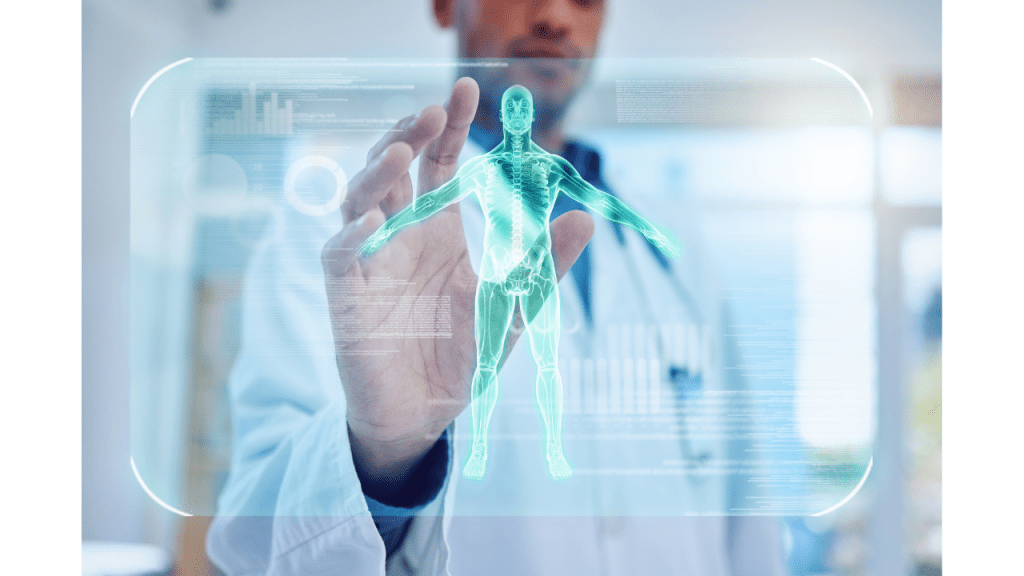
Explainable AI, often called XAI, focuses on building models that can clearly show how they arrive at their conclusions. This is especially useful in healthcare, where decisions need to be understood by doctors, regulators, and patients.
Large Language Models (LLMs) like GPT are also making a difference. They can help researchers write study protocols, review thousands of papers quickly, and even assist patients through chat-based tools that explain trials or track symptoms.
Real-world evidence, or RWE, is no longer just an extra piece of the puzzle. It’s becoming a core part of how regulatory decisions are made.
Beyond clinical trials, data from everyday patient care, like prescriptions, hospital visits, or wearable devices, is starting to influence approvals, safety updates, and how treatments are labeled. The line between research settings and everyday medicine is starting to blur.
Data sharing is picking up speed, thanks to secure and transparent tools that allow research teams and institutions to work together more easily.
At the same time, clinical trials are becoming more centered around the patient. With virtual visits, remote monitoring, and easier ways to join studies, patients are gaining more say in how and when they participate.
This shift could lead to more diverse trial groups and better retention across the board.
Data science is changing clinical research from the way drugs are discovered to how trials are run and monitored. While there are still barriers around data, regulation, and skills, the momentum behind this shift is only growing stronger.
For those with a background in analytics or healthcare, this field offers a rare chance to shape the future of medicine. The future of medicine is being written in code, and the need for people who understand both data and health has never been higher.
If you’re ready to take that step, TheClickReader bootcamp is a smart place to begin.

